MyDealz
Women's Rabbit Fur Coat - Natural Long Winter Jacket
Women's Rabbit Fur Coat - Natural Long Winter Jacket
Couldn't load pickup availability
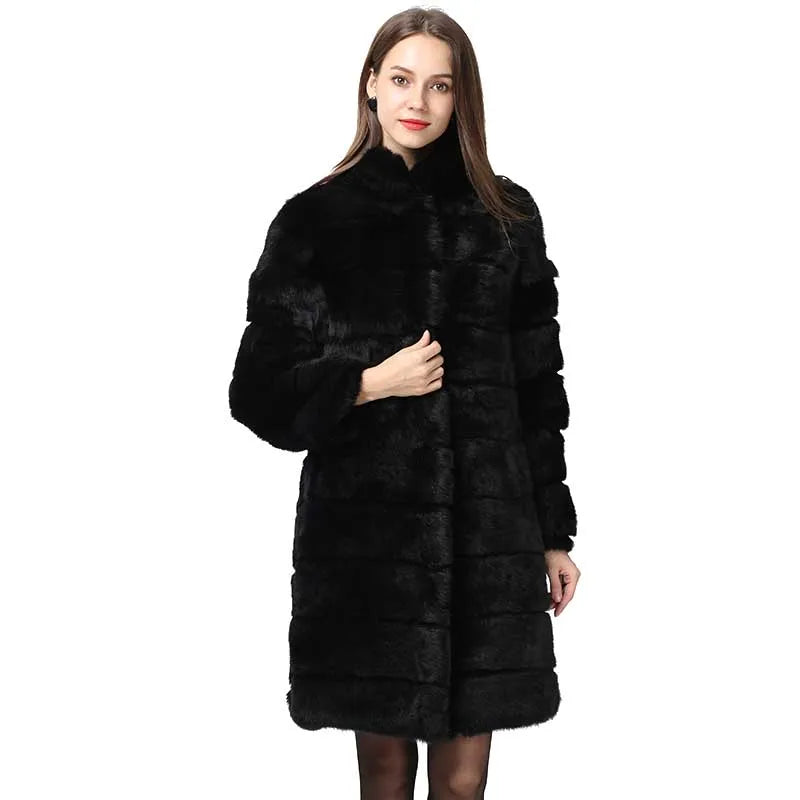
🐰 Women's Rabbit Fur Coat - Natural Long Winter Jacket
Experience soft elegance with this premium faux rabbit fur coat. The pelt construction provides luxurious warmth while the long jacket length offers comprehensive cold-weather protection. Premium faux fur's softness and insulating properties make this a premium winter wardrobe investment.
✨ Key Features:
- Luxury Faux Rabbit Fur: Premium faux fur (not faux)
- Soft Texture: Rabbit fur known for exceptional softness
- Long Length: Extended coverage for maximum warmth
- Natural Pelt: Authentic construction methods
- Stand Collar: Additional neck protection
- Thick Warm: Premium faux fur's superior insulation
🎯 Perfect For:
- Luxury Seekers: Appreciate natural materials
- Cold Climates: Genuine fur warmth
- Special Occasions: Elegant evening wear
🔧 Specifications:
- Material: Real rabbit fur (natural pelt)
- Length: Long jacket
- Collar: Stand collar design
- Season: Winter
- Gender: Women's
- Care: Professional fur cleaning
🛒 Invest in Natural Elegance! Real rabbit fur offers softness and warmth that lasts for years. This long coat represents quality and luxury. Add to cart now!
Frequently Asked Questions
How does rabbit fur compare to other fur types for warmth?
Rabbit fur offers good warmth but falls below fox, mink, or beaver in insulation density. The natural softness makes rabbit fur incredibly comfortable against skin, while its lightweight nature prevents the heavy bulky feeling of some furs. Warmth performance: suitable for moderate winter (25-45°F/-4°C to 7°C), less ideal for extreme cold without heavy layering. Rabbit fur works best for: urban winter fashion where you're moving between heated indoor spaces, fall/early winter seasons, regions with mild winters, or layering over thick sweaters for added warmth and style. If you need maximum cold-weather protection for extended outdoor exposure, consider denser furs. However, rabbit fur's advantages—softness, light weight, affordability, and beautiful luster—make it excellent for fashion-focused winter coats where you prioritize style and comfort over extreme weather performance. The "natural genuine" designation ensures authentic fur benefits.
Does rabbit fur shed more than other types of fur?
Rabbit fur has a reputation for more shedding than denser furs like mink or fox, particularly with lower-quality processing. However, well-constructed rabbit fur coats with proper tanning and finishing experience acceptable shedding levels—expect some loose hairs during the first 5-10 wears as manufacturing handling loosens fibers, then shedding decreases significantly. To minimize: gently shake the coat outside before wearing, avoid excessive brushing (which pulls out fur), store properly to prevent damage, and don't wear overly tight clothing underneath (friction increases shedding). The shedding isn't severe enough to ruin clothing but keep a lint roller accessible. Quality indicators that predict less shedding: fur firmly attached to leather/fabric backing, even fur density without thin patches, and smooth finish without rough areas. With proper care, rabbit fur coats shed no more than a cat or dog—noticeable but manageable. The softness and elegance justify the minor maintenance for most wearers.
Is this suitable for formal events or more casual wear?
Natural rabbit fur coats bridge formal elegance and upscale casual wear depending on styling and coat design. The long length adds sophistication suitable for: winter weddings, holiday parties, theater/opera outings, upscale dining, formal work events, or cocktail parties. Pair with: evening dresses or cocktail attire, dress trousers and blouses, knee-high boots and tights, minimal jewelry (fur provides enough visual impact). For casual upscale styling: wear over jeans and cashmere sweaters, with ankle boots and crossbody bags, in coffee shops or weekend shopping. Rabbit fur's softness and subtle luster read as "luxury" but not ostentatiously so—more approachable than dramatic fox or mink. Avoid: extremely casual settings (gym, beach, groceries), very conservative professional environments unless your industry embraces fashion, or occasions where ethical fur debates might distract from celebration. The coat elevates any outfit—use it to transform ordinary looks into sophisticated statements.
How long will this coat last with regular wear?
Rabbit fur coats typically last 5-8 years with proper care and moderate wear (1-2 times per week during winter months). This is shorter than denser furs like mink (15-20 years) or fox (10-15 years) due to rabbit fur's softer, more delicate nature. Factors affecting longevity: professional cleaning and storage (significantly extends life), wearing frequency (daily wear accelerates aging), storage conditions (cool, dark, breathable environment prevents damage), and quality of original construction (well-made coats last longer). Signs of aging: fur becomes matted or loses luster, shedding increases noticeably, leather backing becomes stiff or cracks, seams separate. Many wearers find 5-8 years of use justifies the investment when cost-per-wear is calculated—significantly cheaper than buying new winter coats every 1-2 years. For maximum longevity: rotate with other coats (don't wear daily), address minor repairs promptly (loose seams, missing buttons), and invest in professional summer storage. View it as a medium-term investment in elegant winter wardrobe, not a lifetime heirloom piece.
Can I wear this in light rain or snow?
Fur can tolerate brief exposure to light rain or snow, but prolonged moisture damages fur and leather backing. If caught in light precipitation: shake excess water off immediately upon reaching shelter, hang to air dry in well-ventilated area away from direct heat (radiators, fireplaces, hair dryers—heat damages fur), gently brush fur back into place once completely dry, and consider professional cleaning if soaked thoroughly. The premium faux fur structure repels light moisture initially (individual hairs shed water), but saturation causes: matting (fur clumps together), odor (wet fur smell), leather backing damage (becomes stiff or moldy), and color bleeding. Best practice: check weather forecasts and avoid wearing fur on rainy/snowy days, carry umbrella when wearing fur coats, keep a rain coat alternative for wet weather, and treat fur as a fair-weather garment. If you need all-weather winter coverage, consider water-resistant synthetic coats for wet days and reserve the fur coat for dry cold weather when it performs beautifully without risk of moisture damage.
Share